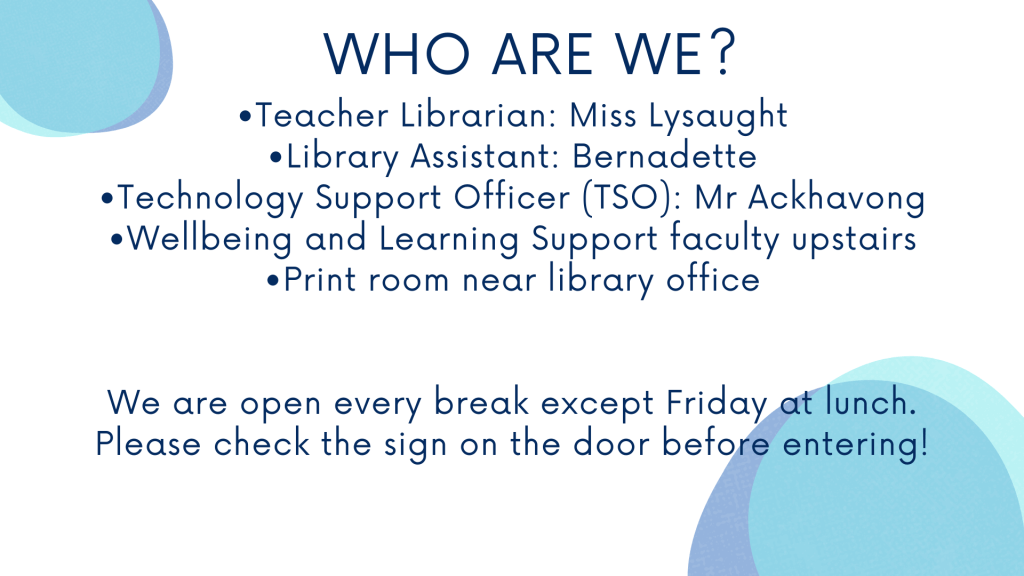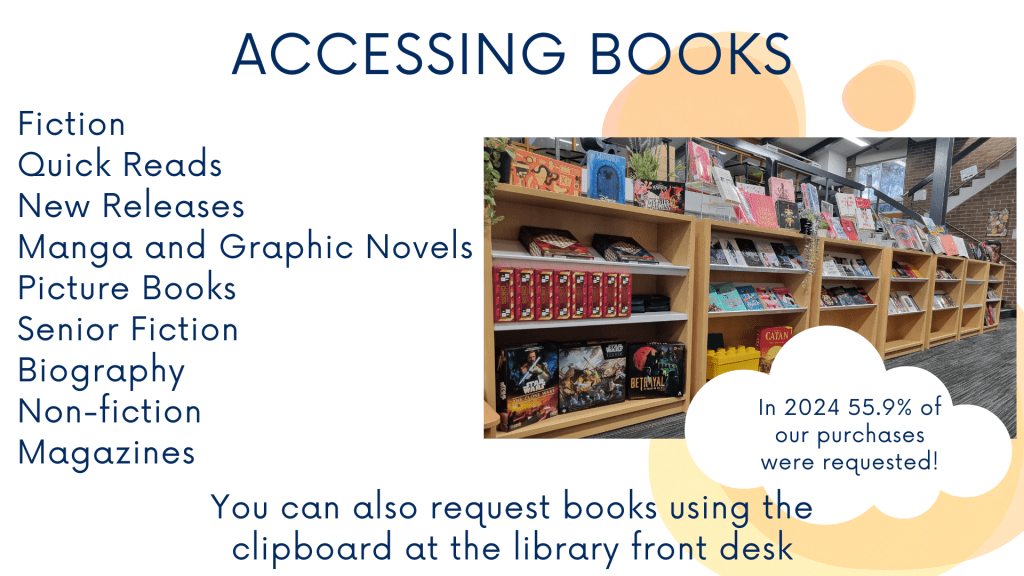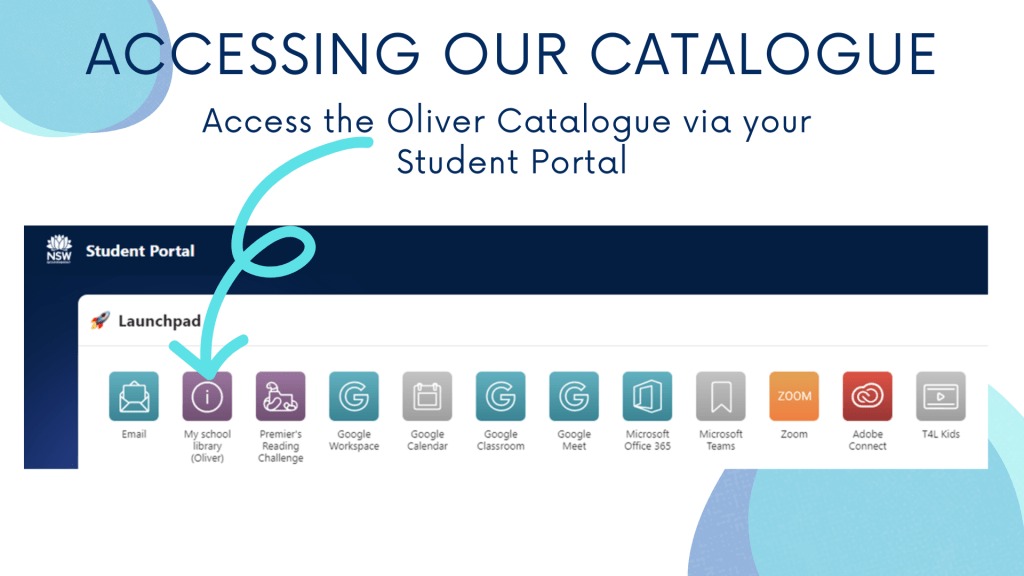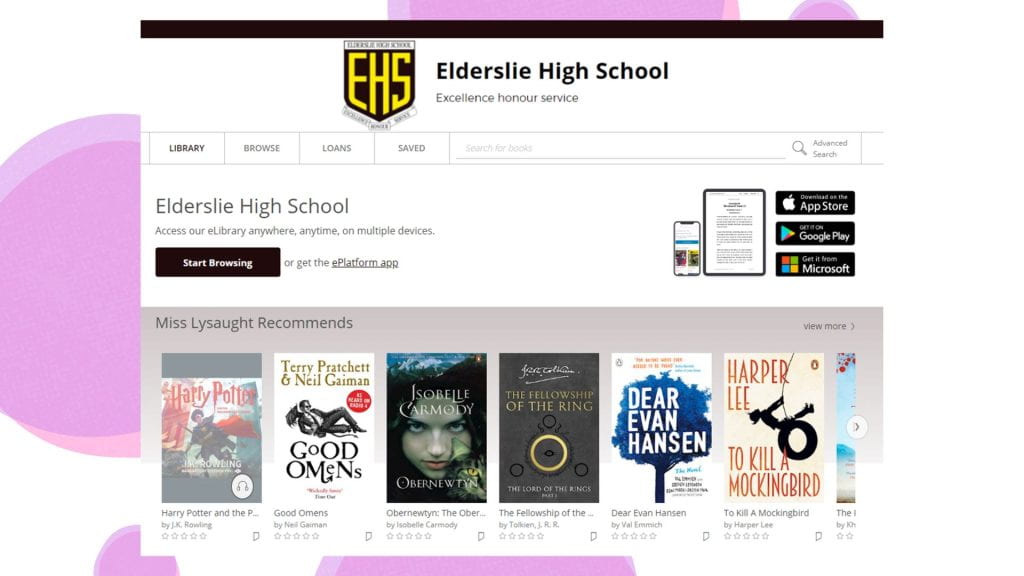
This week I had the opportunity to showcase the Wide Reading Program at a whole school staff meeting. It’s always nerve-wracking presenting to a group of tired staff who’d rather be using the time to complete their impending reports or mark their pile of exam papers! My first instinct was to cry a firm “hell no!” at my Head Teacher when he asked, but after a moment’s thought I realised what a huge advocacy opportunity I’d be throwing away if I did.
So, heart thumping, I accepted.

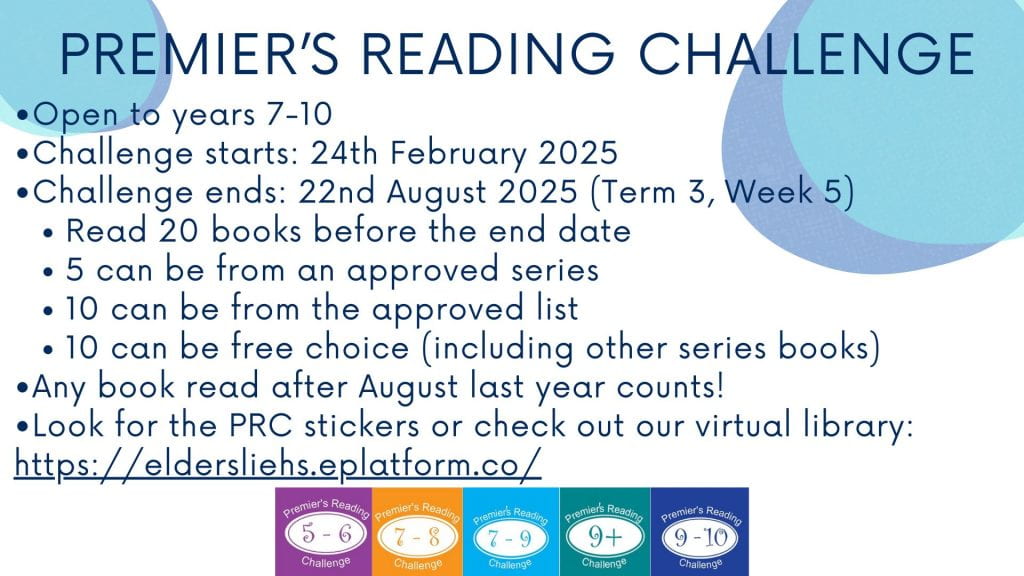
I kept it short and sweet, choosing to highlight the aims of the program and the ‘positive primer’ Book Talk I use with each class.
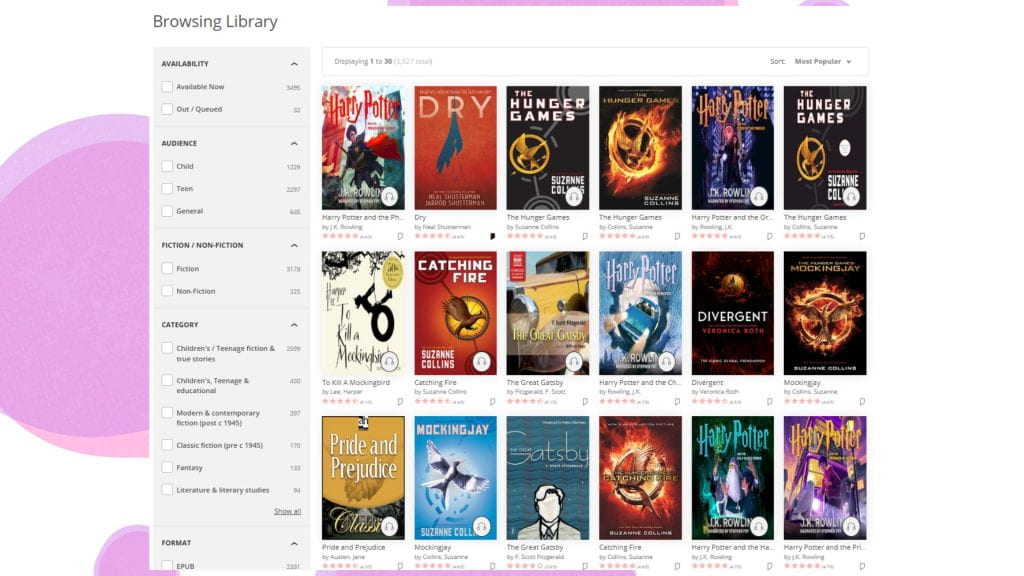
This simple starter activity aims to help normalise and model reading behaviours, encourage a social element to what is often perceived as an isolated activity, and build motivation through peer recommendations. It’s super easy to run, requiring only the teacher asking “what are you reading at the moment?” and prompting further discussion from student and staff responses. Some classes with fewer readers might only take 5 minutes to complete a Book Talk, but others with more students wanting to participate can take up to 15 to 20 minutes! I love seeing the variety of things the kids are interested in reading, and encourage their classroom teachers to participate in the discussion too. It’s always interesting seeing what different things people are reading!
As far as I could tell, my presentation seemed to go well. I feared that when I asked the golden question “what are you reading at the moment?” I’d be met with a room full of crickets, but luckily several staff jumped on board with the chance to share their most recent reads with the group. I didn’t want to take up a huge amount of time with this discussion so I ended it after three volunteers shared their experiences, but I reckon we could have easily spent the rest of the staff meeting talking about books if we’d had the time!
And speaking in front of my colleagues, as terrifying as it was, not only allowed me to increase the visibility of the work I do to support our students’ developing literacy skills and reader identities, but let me showcase my professionalism and the research behind my work. The rewards were immediate: straight after my presentation, the Deputy of Inclusion and Support emailed me to request that the Support Unit classes are involved in the program next year. From humble beginnings supporting only two classes in 2022 and three classes in 2023, the Wide Reading Program will soon benefit all eleven Stage 4 classes as well as the seven (or more) Support Unit classes.
Methinks 2026 is going to be a very busy year in the library!